

Ketu Desai
By Ketu Desai
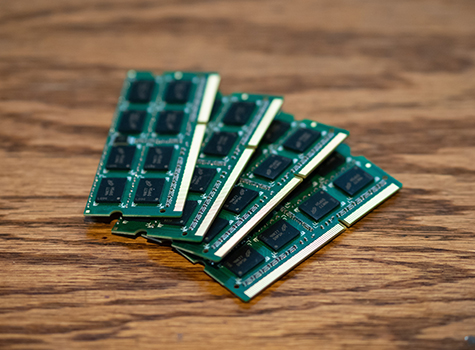
We are not bursting the AI trade; but instead bursting leveraged investors, private equity, credit, and real estate investors and will continue. Since the summer of 2026, we have also been bursting levered public equity investors. It started with Korean retail investors, then spread to hedge fund Situational Awareness.
In October 2026, it hit other leverage and hedge funds including some giving up their entire yearly gain. While index volatility hasn’t been that high, volatility among AI names has become historic. The absolute moves of both 3% and 5% have never been greater. The tech momentum factor collapsed 65%. These are greater than the dot-com bubble which occurred during the late 1990’s.
This type of volatility can make it difficult for leveraged investors to participate. It’s also very hard for investors focused on Sharpe ratio to participate. There is a lot of money to be made in the AI trade. The semiconductor ETF is up nearly 50% this year. Many single names are above 200% YTD. There is no reason to be greedy but instead a generational opportunity; leverage is not necessary to make great returns.
While hedge funds sold tech stocks at a historic pace in October, the fundamentals continue to strengthen. Both DRAM and GPU prices continue to rise. Elon Musk said on SpaceX’s earnings call, “I think it should be obvious to people really is that as you improve the AI software, as the models get better and better, they’re able to get more useful intelligence per watt. And the value of that compute is proportionate to the useful intelligence per watt. And that’s why you see things like even old computers like H100s renting for more than they rented when they were new. And I think that’s likely to continue. I think we’re going to face a shortage of superintelligence compute.”
The point that the value of computers is staying strong is an important one. It encourages the cap-ex spending to continue. Anthropic said that they get 2.08x revenue per dollar of compute. CapEx spending will run well above $1.5 trillion next year, up from about $1 trillion in 2026. Goldman expects total AI spending to reach $7.6 trillion by 2031.
On financing, we saw several deal transgressions. Meta announced a $95bn equity offering. SpaceX announced a $40bn debt deal led by Apollo. OpenAI is close to raising $30bn in financing led by the UAE. Anthropic will IPO in November. Anthropic has over $100bn in cash on its balance sheet. Even neocloud Nebius secured a $3.5bn facility from Citibank at just SOFR + 275bps. IREN raised $2.4bn. There are many sources of capital, ranging from sovereign wealth funds, private equity and credit which are sitting on over a trillion in dry powder, there is over $8 trillion in money market funds, investors shifting priorities from investments such as commercial real estate to AI financing, and there will be a new securitization market that will allow many pension funds, insurance companies, and endowments to participate.
Western Digital, a middle to lower end memory provider, reported earnings easily beat, while raising guidance. They said they have good visibility with their top seven customers continuing into 2030-31. SK Hynix said they expect a 40% CAGR by 2030 in AI datacenter revenue. We’ve heard similar commentaries from Seagate, SanDisk, GE Vernova, and Celestica.
The point is this is not a normal semiconductor cycle but instead is a very long cycle with the potential to become a secular shift. Micron said at a recent presentation that agentic AI will require 30x the memory, and greater than 10x for physical AI. Elon Musk said that “robot RAM will exceed everything else on Earth.” South Korean exports rose 105% year-over-year in October, but the valuation of the semiconductor stocks is at record lows. Across large semiconductor names, you will find stocks trading well below 1.0x PEG, many below 0.5x.
Something will have to give. Either AI is a bust and the valuation is correct or these are significantly undervalued.
While the Fed paused rate hikes at this meeting, it is not finished with tightening. The market expects the Fed to raise rates in December and likely once more in January. The good news for investors is that the market has already been priced due to this tightening. The two-year Treasury, a proxy for Fed policy, is trading 80bps above the current Fed Funds Rate. Anything cyclical, rate sensitive, or consumer facing has been crushed in the stock market. If the Fed tightens anything less than 80bps, financial conditions will loosen, and in turn fuel the next rally in rate-sensitive areas.
Looking forward, the market will focus on AI, earnings, midterm elections, geopolitics, and the latest economic data.
Ketu Desai is the Principal of i-squared Wealth Management Inc. (www.isquaredwealth.com), an investment management firm based in New Jersey. ketu@isquaredwealth.com