
Guest Author
By Mihika Paranjpe
Her name was Nicole, a petite young woman with a warm smile. Yet beneath that quiet demeanor, there was a quiet weight she carried.
She came to me with a simple complaint: persistent back pain. During the intake, I invited her to share anything else. She mentioned only physical discomfort, back pain and a temporary upset stomach, nothing that suggested deeper emotional distress.
We began with breathing techniques, allowing the body and mind to settle into connection. Gradually, we chanted “OM,” letting the vibration create a calm, focused awareness. I then introduced singing bowls, playing tones designed to relax the nervous system and restore balance.
Within minutes, tears gathered in her eyes. Soon, she began to cry.
For a moment, I hesitated. But trusting the process, I allowed the session to continue. Her heartbeat, initially elevated, began to slow. The sound seemed to guide her into a deeper emotional release, a place where words had never reached. It was as if the vibrations were unlocking layers of stored tension that had held within her body for a long time.
After nearly an hour, the crying subsided. She lay still, in a deep, trance-like rest. When I brought her back, she seemed disoriented, as if returning from another space. I offered her water, allowing her to reconnect with her surroundings at her own pace.
Then, unexpectedly, she hugged me.
“You saved me,” she said. “I had so much anxiety stored inside me. I feel like a new person.”
Her smile had changed. It was lighter, freer, more real.
Later, she shared her reality. She worked as a therapist in a prison, constantly absorbing the trauma and suffering of others. Over time, she had carried it all within herself, silently and without release.
That night, she says she slept deeply and without interruption. In the following days, she began listening to meditative music before bedtime and gradually stopped relying on sleeping pills.
Nicole’s experience is not an isolated one. Sound and music have long been recognized for their impact on human physiology and psychology. Scientific studies suggest that music can stimulate the release of endorphins — the body’s natural “feel-good” chemicals — reducing pain perception and easing anxiety. It also serves as a powerful distraction, gently shifting focus away from discomfort and emotional stress.
Across cultures and centuries, sound has been used as a tool for healing, spiritual connection, and emotional balance. From ancient chants to rhythmic drumming, civilizations have intuitively understood the power of vibration. Today, modern research is beginning to validate what these traditions have long practiced, sound can influence the body at a fundamental level.
Stress, a leading contributor to many modern diseases, disrupts both mental and physical health. Sound therapy offers a non-invasive way to restore balance, helping regulate heart rate, breathing, and emotional states. Clinical studies have shown that patients recovering from heart conditions experienced measurable improvements such as lower heart rates, reduced respiratory rates, as well as decreased anxiety after exposure to calming music. Similarly, soothing sounds have been found to lower systolic blood pressure and support post-surgical recovery by calming the nervous system.
Indian classical music, in particular, offers a structured and deeply therapeutic approach to sound healing. Built on precise scales, rhythms, and tonal patterns, it is designed to influence both emotional and physiological states. Specific ragas are believed to resonate with the body’s internal systems, creating a vibrational response that promotes balance and healing. Each raga is traditionally associated with specific times of day and emotional moods, further enhancing its therapeutic potential.
This tradition also incorporates Vedic chants and bija (seed) mantras, which are thought to align with the body’s energy centers, or chakras. According to this philosophy, the human body contains a vast network of energy pathways, often described as 72,000 nadis. Sound vibrations interact with these pathways, helping to regulate the flow of energy and restore harmony.
Importantly, sound therapy is not a one-size-fits-all approach. Each individual responds differently, and treatments must be tailored accordingly. It can be used alongside conventional medicine for pain and trauma management or as a standalone method for stress reduction, improved sleep, and emotional well-being.
For individuals with neurological conditions such as Parkinson’s disease, rhythmic sound can even aid movement. The simple act of hearing a steady beat can help restore coordination and improve mobility, demonstrating the deep connection between sound and the human nervous system.
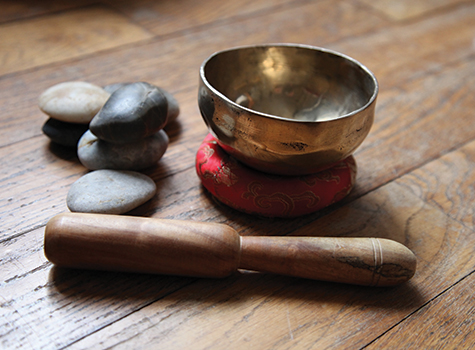
Many instruments are used in sound therapy and among these, singing bowls hold a special place. Originating in regions such as Nepal and India, these handcrafted metal bowls have been used for centuries in meditation and healing practices. Each bowl produces a rich, resonant tone when played, creating vibrations that can be felt throughout the body. These vibrations are not merely heard; they are experienced physically, often inducing a deep sense of relaxation and release.
From a scientific perspective, this effect is not surprising. The human body is composed of more than 70 percent water, making it highly receptive to vibrational energy. When exposed to sound waves, the body responds at a cellular level. Some researchers suggest that these vibrations may promote cellular repair and stimulate the release of beneficial neurochemicals such as endorphins and oxytocin, leading to reduced stress, improved mood, and an overall sense of well-being.
Beyond singing bowls, a wide range of instruments including gongs, chimes, tuning forks, and of course the human voice are used in sound therapy. These sounds help shift brain activity from active, alert states to calmer, meditative states, encouraging relaxation and inner awareness.
Sound healing bridges the gap between ancient wisdom and modern science. It offers a gentle yet powerful approach to addressing the complexities of human health in all aspects. As lifestyles become increasingly fast-paced and stress-driven, the need for holistic, non-invasive therapies continues to grow.
Nicole’s story is a reminder that healing does not always require words. Sometimes, it begins with a simple, resonant vibration that reaches places within us we may not even realize are in pain.
Perhaps the future of healing will not only be written in prescriptions but also heard in sound and rhythm. A quiet return to ourselves.
Mihika Paranjpe is a licensed and certified vibrational sound therapy practitioner. She conducts individual therapy sessions at her studio in RTP area and also offers group sessions at various locations under the name “The 7 Vibrations.” In addition to being a therapist, she is a musician and the owner of Bliss Tours. Contact: mihika@blisstours.biz.