
Girish Modi
By Girish Modi
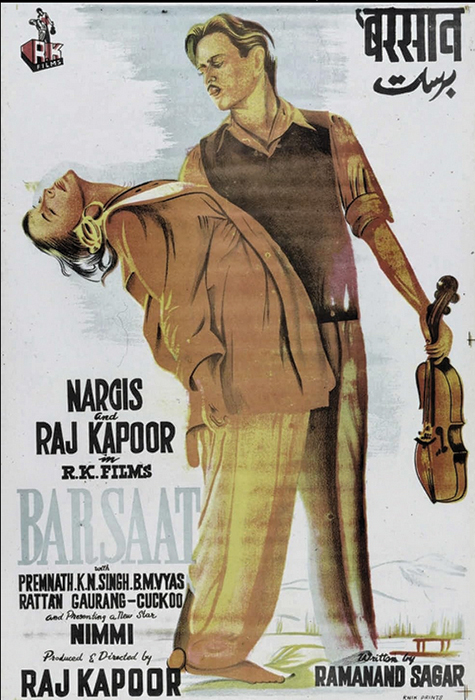 Shankar-Jaikishan, one of the most iconic music composer duos in Hindi cinema, redefined Bollywood music between 1949 and 1971. Their work set new standards in film music with their unique ability to blend Indian classical melodies with Western influences, leaving an influential mark on Indian cinema. Almost all their films until Jaikishan’s death celebrated silver jubilees, so in a way their popular initials, SJ, also apply to the maestros. SJ often collaborated with actor and director Raj Kapoor and composed timeless, classic tunes for films like Barsaat, Shree 420, and Sangam.
Shankar-Jaikishan were pioneers in using orchestration not just as a backdrop, but as a way to express emotions and elevate the storytelling in songs. At their peak, they were the highest-paid music directors in the industry, with their names often outshining the stars of the films they worked on.
Their innovative style and unforgettable melodies continue to be celebrated, making SJ true legends of Indian cinema’s golden era. Their success also depended on three other duos – Sebastian & Dattaram (music arrangement), Shailendra & Hasrat Jaipuri (lyricists) and Lata-Rafi (singers). Without their collaboration, the SJ name may not have dominated the industry.
They never compromised with the quality of their music, and used to compose 10 songs for a film and every song would have its own melody or special feature to attract the audience before the release of films. SJ were the only music composers who could compose set of masterpieces continuously!
Lata Mangeshkar sang over 450 songs for Shankar-Jaikishan across in over 100 films, with more than 300 of these being solos, making her their primary female voice for decades. Barsaat was not only SJ’s first film but also Lata’s first film, too. She was supposed to sing only one or two songs but instead sang 8 solos and 2 duets. The music of Barsaat was a rage across India. The music was fresh accompanied by melodious tunes while breaking barriers music compositions for a movie.
Their career took off and in the next five years together they created evergreen songs for many films. SJ’s fascination with Lata’s voice was so profound that they used her for solo songs (no male voices) for films like Poonam, Aurat, Mayurpankh, Aas, Dil Apna Preet Parayi and more. I have two cassettes of Lata’s rare gems which are not released in LP yet.
Years later when I heard Lata sing Barsaat songs live at a New York concert, I closed my eyes and felt like I was listening to the record playing. It was the same magical voice. I still hum all songs of Barsaat. Many singers, like Sanjeevani Bhelande, open their concerts with a song from Barsaat. Violin was a prime instrument for Barsaat songs, and therefore it was used as RK Films’ famous mascot. Other films and many songs of Anarkali, Mahal and Nagin were released around the same time as Barsaat, and they were also sung by Lata.
Raj Kapoor played an integral role in establishing SJ and used their compositions in all his films until 1971 and then worked with Lakshmikant Pyarelal for films like Bobby and Satyam Shivam Sundaram and music director Ravindra Jain for Ram Teri Ganga Meli, Prem Rog and Heena. Many people argue that LP used tunes from Raj Kapoor’s collection of SJ compositions over the years for Bobby and Satyam Shivam Sundaram.
Apart from the RK films, SJ’s musical compositions and success is breathtaking in films including Daag, Seema, Halaku, Basant Bahaar, Humrahi, Sasuraal, Amrapali, Asli Naqli, Dil Ek Mandir, Junglee, Professor, Love in Tokyo and Suraj. There are so many others.
In fact, apart from Raj Kapoor’s super stardom, SJ also played a big hand in establishing Shammi Kapoor and Rajendra Kumar and many of their films ran to packed houses only because of SJ’s enchanting musical bouquets. SJ were nominated for 20 awards and received 9 Filmfare awards, more than any music director. They held the record for the highest number of consecutive nominations 9 years, (1959–1967).
Though SJ conducted huge orchestras, they always ensured that the distinctive sounds of different instruments came forth with immaculate clarity without distorting the harmony of the composition. SJ may have used accordion for many of their compositions, but their use of Sitar stands out. Take “O Basanti Pawan Pagal” from Jis Desh Mein Ganga Behati Hai, where sitar makes this song more appealing. Similarly, “Bhahiya Meri Rakhi” in Chhoti Bahen and “Rasik Balma” from the film Chori Chori are heart-piercing because of sitar. Who can forget “Man Mohana Bade Jhoothe” from the film Seema with sitar as the main instrument?
SJ used accordion as mostly for Raj Kapoor songs with Mukesh as playback singer, such as “Awara Hoon,” with Raj Kapoor holding it like in “Bol Radha Bol” and “Har Dil jo Pyaar Karega” songs in Sangam.
Their first film, Barsaat was released in 1949 and had their 50th film Rangoli released during 1962. It took nearly 13 years to reach that landmark. But their 2nd fifty were achieved just in 7 years in 1969. They accelerated more until the premature death of Jaikishan in 1971 by which time 122 films were released which means that just in two years they completed 22 films, a feat which no other music maker of that time would have even thought of.
After Jaikishan’s death Shankar composed music for 28 more films in which he used voices of many singers, but mainly Sharda’s voice.
If Naushad exuded classical charm, Sachin Dev Burman exemplified Himalayan tranquility and O. P. Nayyar evoked nature’s countless rhythms, then Shankar Jaikishan duplicated various colors of the seasons in their compositions. They created masterpieces ranging from symphonies to rustic ballads.
Shankar Jaikishan were pioneers in holding concerts to raise funds for worthy causes. One can say that they are the only music directors to conduct the maximum number of such shows and particularly without getting a single paisa for this purpose. Their benevolence is admirable.
Girish Modi is an 85-year-old retired engineer who is passionate about Indian music and classical dances. He donates money to various Indian organizations and provides free photo service. Contact: girish39@yahoo.com.