

Anuj Kasera
By Anuj Kasera
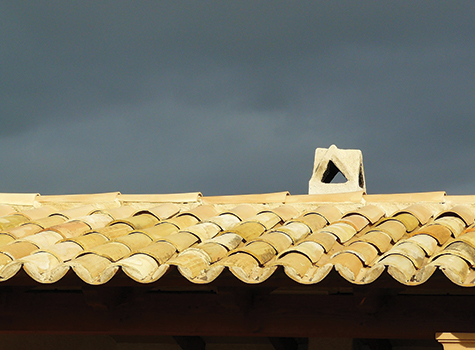
The roof is one of the most important parts of your home. Not only does it protect you against the elements, but it is also a vital part of the structural support of your house. Roof damage also happens to be one of the most common insurance claims and, of course, it is an expensive claim. Insurance companies are increasingly denying roof claims. Some carriers have a strict policy of not insuring a home if the roof is greater than 15 years.
So let us look at what is covered, exclusions, and filing a claim, if needed.
Types of roof damage covered by insurance: Individual policies differ but generally your policy should cover damage caused by fire, wind, lightning, and ice.
Damage not covered: As a rule, damage caused by neglect or poor maintenance is not covered. Damage caused by termites, mold, rot etc. do not occur suddenly but are a result of long-term lack of maintenance and repairs. Hence, these may be denied.
Another important concept is Actual Cash Value (ACV) vs. Replacement Cost Value (RCV) – Simply put ACV is the current value of the roof after considering the depreciation. The older the roof is, the less you will receive. RCV will pay to replace the roof based on market value of the roof. It is advisable to buy RCV option when getting your insurance even though the premium may be higher.
Missing shingles, sagging roofs, watermarks in the interior wall or ceiling are signs that your roof may need some repair. It may be easier and cheaper over the long term to get a licensed and insured contractor to inspect your roof periodically and take care of the minor issues immediately.
When to file a claim:
Roofs have a limited lifespan and will eventually need to be replaced. Your insurance company has promised to protect you from an unexpected and sudden disaster, not to cover your routine upkeep. However, in genuine cases where the damage is substantial and damage exceeds your deductible, you may want to file a claim. Note that you must file a claim within the stipulated time frame as mentioned in your contract.
Steps:
• Identify and document your damages. Videos or pictures will be very helpful.
• Contact your insurance company immediately and alert them. It may be helpful to also review your policy and ensure that the damage has been caused by a covered peril.
• Take steps to protect yourself and the property from further damage. You are obligated per the insurance contract to make temporary repairs to mitigate further damages.
• Get help from a reputable and insured roofer. Immediately after a storm, you may see random folks knocking on your door offering a free estimate. These may be out of state roofers whom you will never see after the repairs/replacement are completed. So, it may be advisable to choose someone local who has been in business for a long time.
• Work with the adjuster who is assigned to your file after the claim has been filed. Cooperate fully with this person and do not volunteer more information than is asked. This adjustor is responsible for documenting the damage, ensuring that the damage is covered and sending the final report to the insurance company, who will then determine how much to pay, if anything at all.
• Keep records of all communications – this includes keeping track of any emails, phone calls and visits related to this claim.
• The insurance company will then determine whether to pay or not, and how much it decides to pay.
Again, do not file claims for minor issues, especially if the deductible is more than the damages. Most insurance companies keep your claim history for 5-7 years. Multiple claims in a short period of time can lead to higher premiums or refusal from the carrier to insure you.
Keep yourself updated about the policy details – perils covered and exceptions. Finally, maintain your roof with periodic visits from a reliable roof vendor.
Roof damage can be stressful and expensive. Proper maintenance will vastly increase the life of the roof and give you years of enjoyment and peace of mind.
Disclaimer: The information in this article is for informational and educational purposes only. Views expressed here are solely my own and does not constitute professional advice.
Anuj Kasera is a long term resident of Charlotte, NC and owns an insurance agency, focusing mostly on home, auto and business insurance. He can be reached at anujkasera@gmail.com.